
# 7 Mistakes Landlords Make with the 2026 Renters' Rights Act (And How to Fix Them)
The landscape of the UK private rented sector changed permanently on 1 May 2026. With the full implementation of the Renters' Rights Act, the rules governing tenancies, evictions, and property standards have undergone their most significant overhaul in decades.
For landlords and property investors, this transition represents a period of high risk. Regulatory bodies have signaled a move toward stricter enforcement, with civil penalties now reaching up to £40,000 for serious or repeated breaches. Staying compliant is no longer just about best practice; it is essential for protecting your investment and maintaining the right to regain possession of your property.
Here are the seven most common mistakes landlords are currently making under the 2026 Act, and the professional solutions required to fix them.
---
1. Attempting to Use Section 21 "No-Fault" Evictions
As of 1 May 2026, Section 21 has been completely abolished. Many landlords still rely on old templates or assume there is a grace period for existing tenancies. This is an expensive error. Any Section 21 notice served after the deadline is legally void.
The Mistake: Relying on outdated "no-fault" possession routes to remove problematic tenants or clear a property for sale.
The Fix: You must now move exclusively to Section 8 notices. To regain possession, you must prove a statutory ground, such as serious rent arrears (now typically three months), antisocial behavior, or the intent to sell or move back into the property. Be aware that grounds for sale or occupation now require a minimum of four months' notice and generally cannot be used within the first 12 months of a tenancy. Our Rental Readiness services ensure your paperwork is transitioned to these new legal standards immediately.
---
2. Missing the 31 May Information Sheet Deadline
The Act introduced a strict requirement for landlords to inform existing tenants of their new rights. Even if you have a long-term tenant who hasn't moved in years, you are legally obligated to provide them with the official Renters' Rights Act Information Sheet 2026.
The Mistake: Assuming the new laws only apply to "new" tenancies signed after May 2026.
The Fix: Every existing tenant must have received the official government information sheet by 31 May 2026. Failure to provide this can prevent you from serving a valid possession notice in the future.

Actionable Advice: Keep a digital "paper trail" of when this document was sent and received. Professional property management compliance relies on meticulous record-keeping to avoid "he-said-she-said" disputes in court.
---
3. Relying on Contractual Rent Review Clauses
The 2026 Act effectively killed the traditional "rent review clause" found in many Assured Shorthold Tenancies (ASTs). If your contract says rent increases by 5% every year, that clause is now unenforceable.
The Mistake: Increasing rent via email agreement or through a clause in the original contract.
The Fix: All rent increases must now follow the Section 13 (Form 4A) process. Landlords are limited to one rent increase every 12 months and must provide at least two months' written notice. Tenants now have a stronger right to challenge increases at a tribunal if they believe the rent exceeds market value.
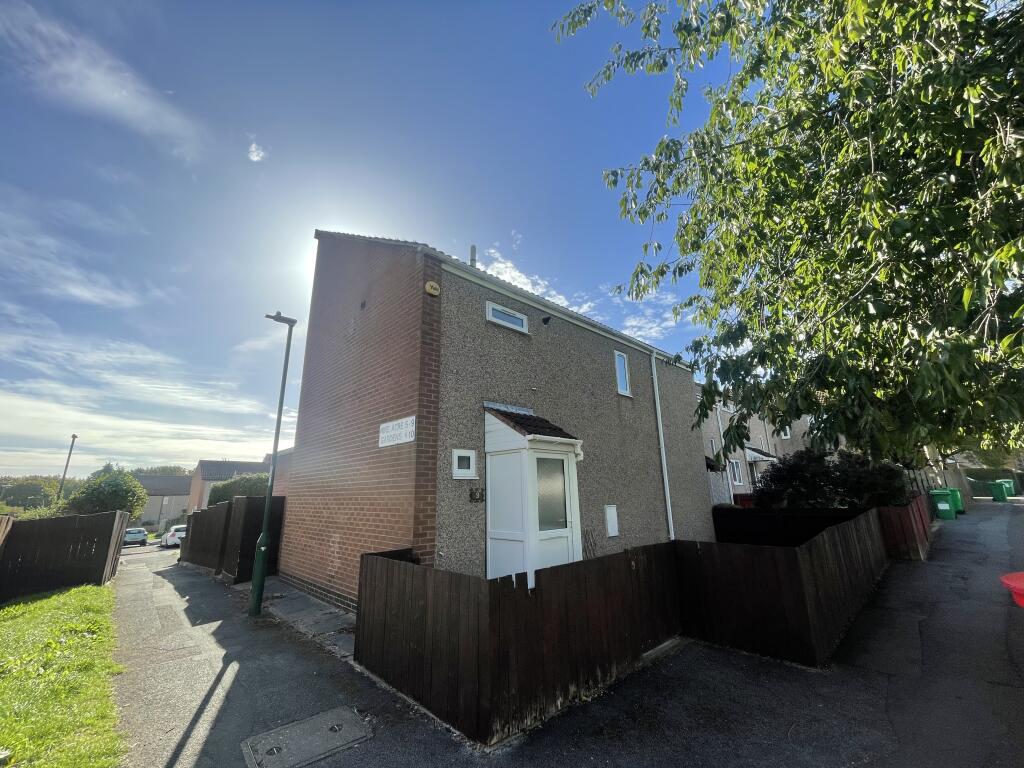
*Local rental comparison: a three-bedroom property on Nine Acre Gardens, Nottingham, advertised at £1,000 pcm when checked on 15 November 2026. Source: Bairstow Eves Lettings, Hucknall, via Rightmove. This is an advertised asking rent, not evidence of an achieved rent or the property in ReLet’s £950 case study.*
---
4. Violating Advance Rent and Bidding Bans
To increase transparency, the 2026 Act introduced strict limits on financial transactions before a tenancy begins. "Rental bidding wars" where tenants offer more than the asking price are now strictly prohibited.
The Mistake: Accepting "offers" above the advertised price or demanding six months' rent in advance to secure a high-risk tenant.
The Fix:
* Advertising: You must state a specific rent price in all advertisements. You cannot invite or accept offers above this figure.
* Advance Rent: You cannot demand more than one month's rent in advance before the tenancy begins. Furthermore, you cannot take any payment at all until the tenancy agreement has been signed.
* Compliance: Ensure your rental readiness process includes a review of your advertising strategy to ensure it meets these "fair pricing" standards.
---
5. Unlawful Discrimination in Advertising and Screening
The Act made it explicitly unlawful to discriminate against renters who have children or receive benefits (DSS). This is no longer a matter of "landlord preference"; it is a statutory requirement.
The Mistake: Using phrases like "No DSS," "Professionals Only," or "No Children" in property listings.
The Fix: Remove all blanket exclusions from your marketing. Each applicant must be assessed on their individual ability to afford the rent. Refusing a viewing or an application solely because a tenant receives Universal Credit can lead to significant fines and reputational damage.

When planning Council Works or property upgrades, ensure the layout is optimized for the widest possible range of compliant tenants, including families.
---
6. Poor Management of the "Right to Pets"
Tenants now have a contractual right to request a pet. While you aren't forced to say "yes" to every request, you can no longer say "no" without a valid, documented reason.
The Mistake: Maintaining a blanket "No Pets" policy in your tenancy agreements.
The Fix: You must respond to any pet request within 28 days. If you refuse, your reason must be "reasonable": for example, if the head lease of the building prohibits pets or if the property is demonstrably too small for the specific animal. You can, however, require the tenant to take out pet insurance to cover potential damage.
---
7. Neglecting Property Standards (Awaab's Law & Decent Homes)
The 2026 Act extended Awaab's Law to the private sector. This means landlords have strict, legally binding timelines to investigate and repair hazards like damp and mould. Furthermore, the Decent Homes Standard now applies to all private rentals.
The Mistake: Ignoring reports of dampness or delayed maintenance on "non-essential" repairs.
The Fix:
* Rapid Response: You must investigate serious hazards within 14 days and begin repairs within a further 7 days.
* Certifications: Ensure you have up-to-date landlord safety certificates, including a current Gas Safety Record and an EICR for landlord electrical safety.
A ReLet example: During a letting review, ReLet discovered that the gas safety certificates for four flats had expired. The team contacted gas engineers on its panel and arranged for the certificates to be completed the following day. ReLet now keeps a database of certificate dates and properties for landlords.
* Proactive Inspection: Conduct regular mould audits. Our comprehensive guide to black mould explains how to identify and remediate these issues before they become a legal liability.

---
Conclusion: Protecting Your Investment in a Regulated Market
The 2026 Renters' Rights Act has shifted the power balance toward tenants, but it hasn't made landlording impossible. It has simply made it more professional. Success in this new era requires a move away from "DIY" management and toward a structured, compliant approach.
Failing to meet HMO licensing requirements or missing a safety inspection is no longer a minor oversight: it is a risk to your entire portfolio. At ReLet, we specialize in the "heavy lifting" of compliance. From structural upgrades to navigating complex council regulations, we ensure your property is not just ready to rent, but fully protected under the 2026 laws.
Don't wait for a tribunal notice. Get your portfolio compliant today.

Request a Compliance Review & Quotation
Need help with a Nottingham rental property?
Tell us what needs attention and we’ll help define the practical next step.
Request a property quote