Start with a clear cleaning specification
Re-Let works with landlords and letting agents preparing rental properties in Nottingham between tenancies. An effective end-of-tenancy clean starts with a defined specification: what needs cleaning, what is excluded and how the work fits around check-out, repairs, clearance and the next property milestone.
Every property is different. Photographs, the check-out report and a clear list of rooms, appliances and remaining items help establish the scope before work begins. The quotation identifies the rooms and surfaces included rather than relying on a general promise to “deep clean” the property.
Depending on the agreed specification, areas to consider include:
- Kitchen worktops, sinks, splashbacks, cupboard fronts and accessible internal surfaces.
- Bathrooms, sanitary fittings, tiles, screens and accessible surfaces.
- Floors, skirting boards, ledges, doors and internal woodwork.
- Accessible storage and cupboard interiors.
- Accessible appliance interiors and exteriors.
- Internal glazing, frames and sills.
- Furniture surfaces where the property remains furnished.
Our end-of-tenancy cleaning checklist helps turn these areas into a room-by-room brief.
Appliance cleaning and separately quoted treatments
Standard oven and extractor cleaning is included in the agreed tenancy-cleaning scope. Specialist deep cleaning is separate; we will advise if the condition requires it. The quotation should identify the oven interior, trays, racks, hob and extractor areas covered, alongside any fridge, freezer, washing-machine or dishwasher requirements.
Carpet extraction, upholstery cleaning and supplying cleaning materials or equipment can also be quoted to suit the job. Tell us what you need so these items can be specified rather than assumed. Internal window-cleaning requirements should also be listed in the brief.
For more detail on appliance preparation and access, see kitchen and appliance cleaning in Nottingham.
Main Street: kitchen condition and cleaning
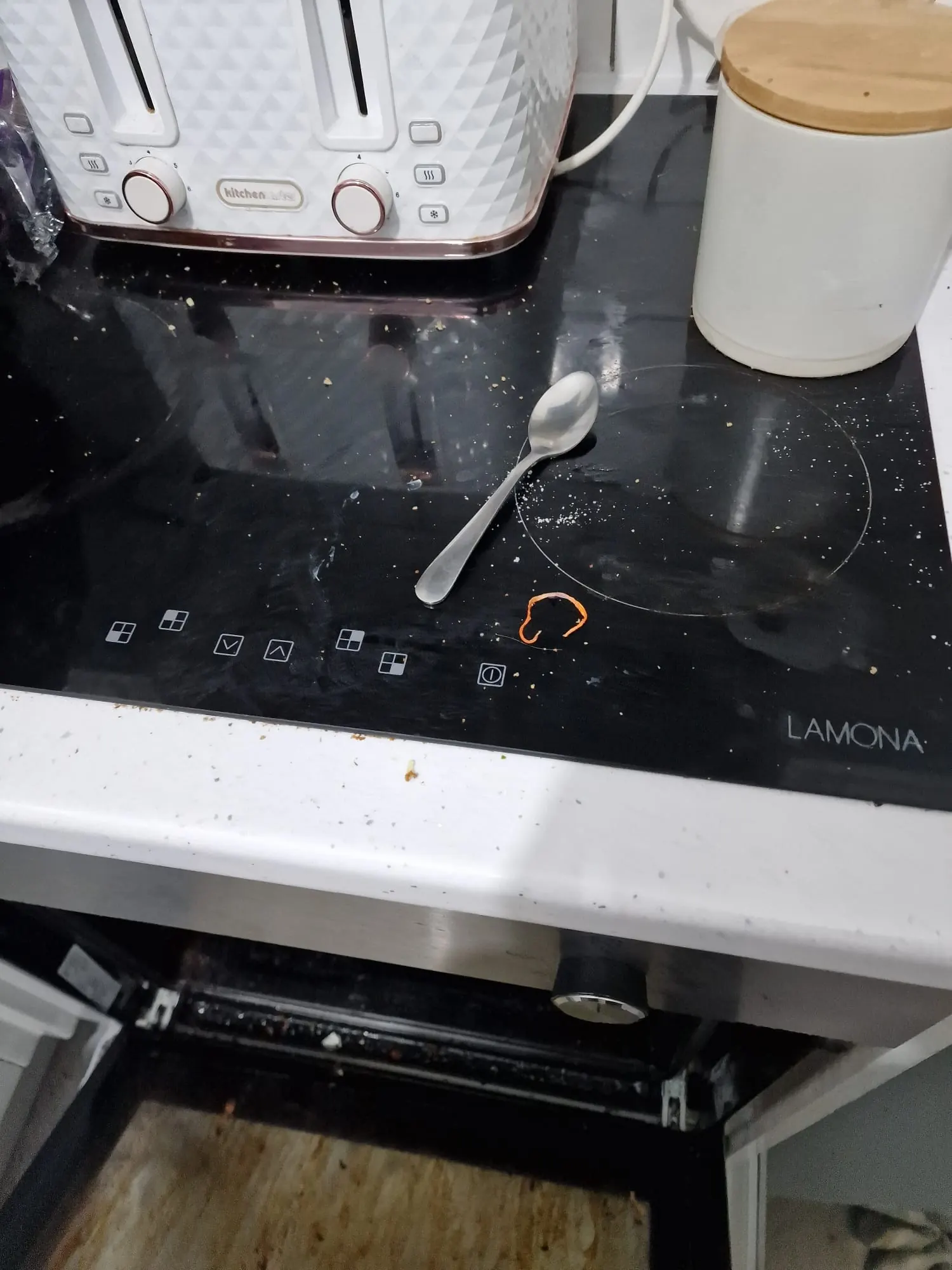
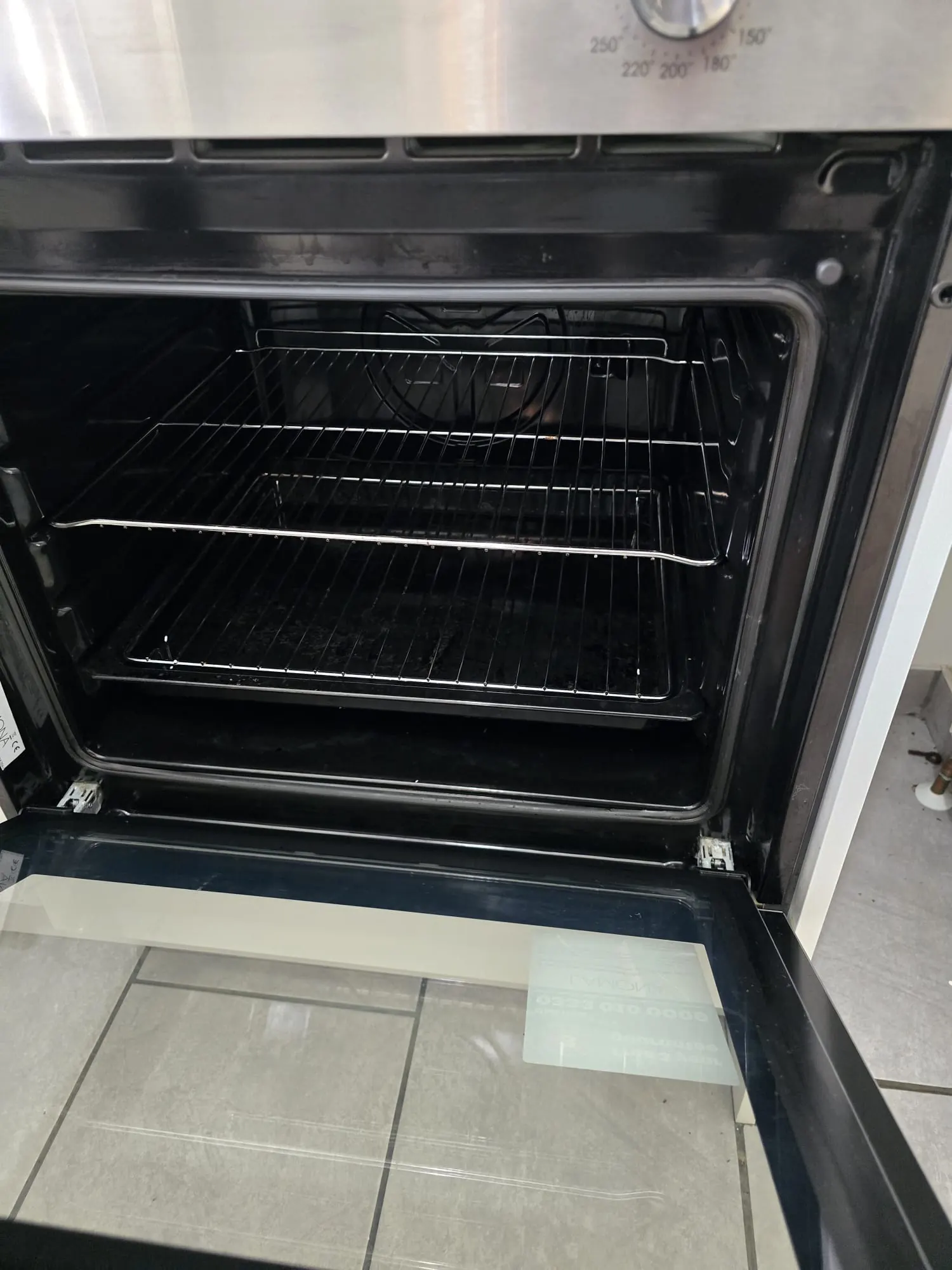
See the full Main Street clearance and deep-clean project, including room and kitchen photographs.
Keep cleaning, repairs and clearance separate
A written scope reduces uncertainty for the landlord, agent and cleaning team. It also makes it easier to distinguish cleaning from repairs, redecoration or waste removal. A tenancy-cleaning quotation should not be assumed to include every task needed during a void period.
The following need separate assessment or explicit authorisation:
- Abandoned furniture, rubbish or personal belongings.
- Repairs to damaged fittings, surfaces or appliances.
- Redecoration, stain-blocking or replacement of failed silicone.
- Moving heavy furniture or appliances, subject to size, weight and access limits.
- Pest treatment, sharps, bodily fluids, sewage or other biological contamination.
- Suspected asbestos, hazardous materials or severe or recurring mould requiring investigation.
- High-level exterior windows or work requiring specialist access.
Where hazardous or specialist conditions are identified, work in the affected area pauses until the condition and appropriate responsibility have been assessed. Specialist work is contracted to third parties where required, with arrangements discussed before proceeding.
For work beyond cleaning, explore landlord property repairs, refurbishments and our void-property turnaround service.
What to send for an accurate quotation
For starting allowances and optional extras, see our service menu and guide cleaning prices. Your written quote confirms the final scope and price.
Supplying the following information helps separate known requirements from issues that may only become visible after furniture or waste is removed:
- The full property postcode.
- Property type, floor level and room count.
- Whether the property is empty, furnished or occupied.
- Check-in and check-out reports, where available.
- Current photographs of each room and areas of concern.
- A list of appliances requiring attention.
- Carpet, rug, mattress or upholstery requirements.
- Details of furniture, belongings or waste left behind.
- Known damage, mould, pests or hazardous material.
- Access arrangements and key-collection requirements.
- Parking restrictions or permits.
- Whether water and electricity will remain connected.
- The next inspection, marketing-visit or move-in date.
Photographs help with initial scoping but may not reveal grease inside appliances, staining beneath furniture or issues behind stored items. The quotation should explain how concealed or additional work will be handled.
Ideally, the property will be empty. Occupied-property cleaning can be discussed, with preparation and access arrangements agreed for the job. Confirm water and electricity availability before attendance, and share sensitive access or alarm details securely during follow-up.
For managed properties and repeat instructions, see cleaning for Nottingham landlords and letting agents.
Where cleaning fits in a void turnaround
Cleaning is usually most effective after disruptive, dusty work has finished. A practical sequence is:
- Record the condition. Retain the check-out report, photographs, meter readings and key information.
- Identify belongings and waste. Obtain removal authority and arrange the appropriate waste handling.
- Inspect for repairs. Separate damage, maintenance and safety concerns from cleaning defects.
- Complete disruptive work. Carry out authorised repairs, preparation and decorating likely to create dust or debris.
- Complete the detailed clean. Work to the agreed room-by-room specification.
- Record completion and exceptions. Note cleaned areas, access limits and outstanding issues.
- Prepare for the next milestone. Arrange the inventory, marketing visit or move-in preparation.
Cleaning too early can leave surfaces soiled again by sanding, drilling or contractor access. Leaving it too late may limit the time available to address missed areas. An earlier basic clean may be useful to expose defects or allow inspection, but should be agreed separately from the final clean.
Our void-property cleaning page explains the cleaning stage; the broader Nottingham void-property checklist helps organise the surrounding work.
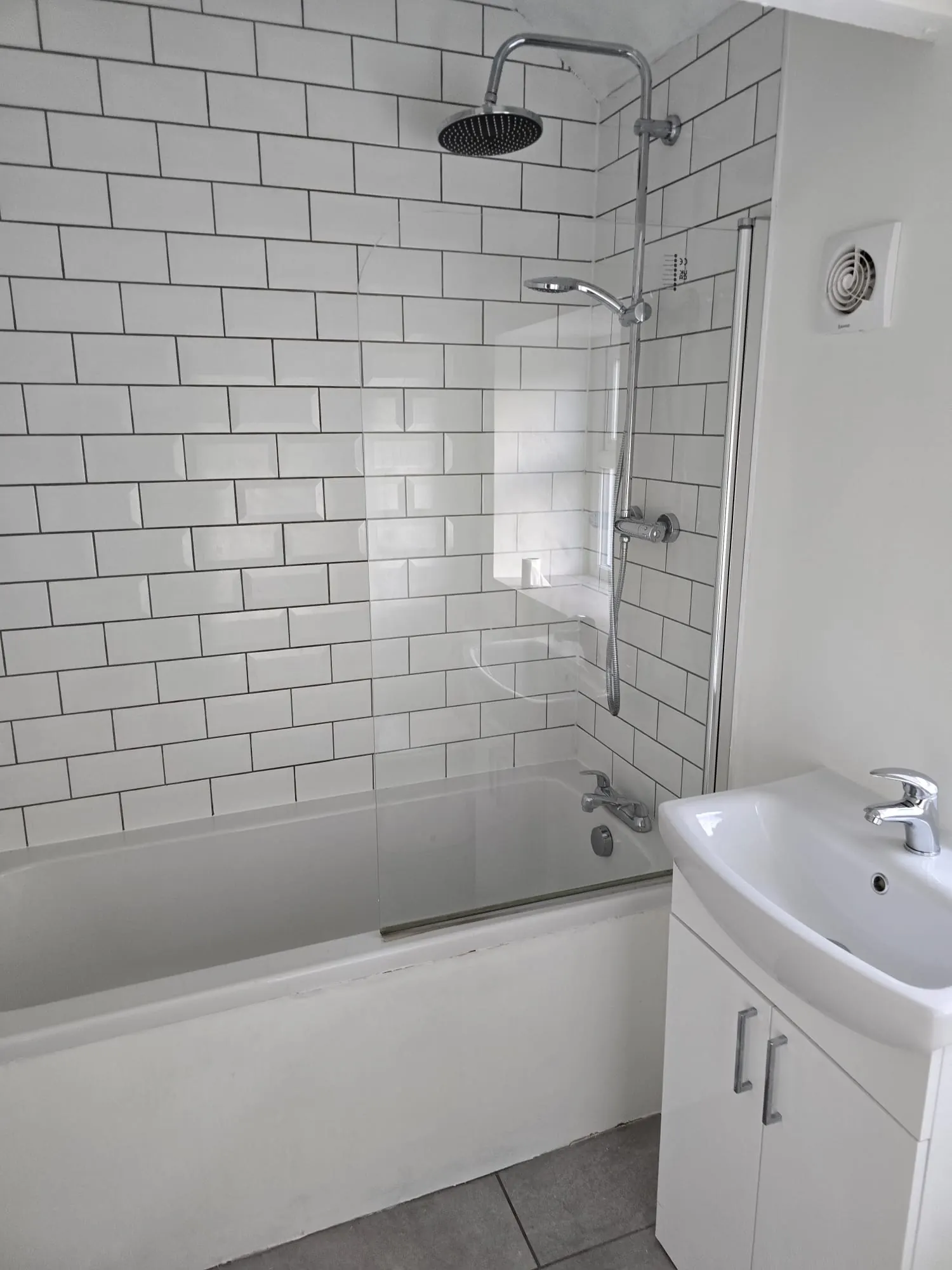
Completion records and deposit evidence
Before-and-after photographs are taken to record the work. Agree the rooms and details required in the instruction, alongside any itemised invoice or completion-note requirements. Useful records may include:
- An agreed room-by-room specification.
- Separate lines for cleaning, clearance and repairs.
- Dated photographs and a completion record.
- Notes on inaccessible areas or work not authorised.
- Relevant waste-transfer records where clearance is included.
A cleaning invoice alone does not establish that an outgoing tenant is responsible for the full cost. Check-in and check-out evidence matters, and cleaning records do not guarantee a deposit deduction. The Deposit Protection Service’s guidance on reasonable claims explains the role of comparable condition reports, photographs and itemised costs.
For a fuller discussion, read commonly missed cleaning areas and handling deposit disputes fairly.
Professional-cleaning fees and individual disputes
For tenancies covered by England’s Tenant Fees Act, a separate professional-cleaning fee is not an automatically permitted payment. Commissioning cleaning and establishing a tenant’s liability for a deduction are separate questions. See the current GOV.UK tenancy-fees guidance and use the relevant protection scheme for an individual dispute.
Under GOV.UK deposit-protection guidance, the deposit remains protected while a dispute is unresolved; once the parties agree the amount to return, it must be returned within ten days.
Nottingham coverage and property-management context
Check cleaning coverage using the property postcode. Our areas covered page provides a guide; confirm acceptance and availability before arranging access or other contractors.
Nottingham’s selective licensing applies within designated areas. Check the property address against the council’s current selective-licensing information. Its waste-management guidance for licensed properties provides wider context for bin storage and waste arrangements. Licensing should not be assumed to create a separate requirement to commission professional end-of-tenancy cleaning.
Questions before you arrange the clean
Can I book cleaning without repairs or a void-turnaround package?
Yes. Re-Let accepts standalone cleaning instructions from landlords and letting agents. Send the property details so scope, coverage and availability can be confirmed.
Are oven and extractor cleaning included?
Standard oven and extractor cleaning is included in the agreed scope. Specialist deep cleaning is separate, and we will advise if it is needed. The quote identifies the appliance areas covered.
Can carpet extraction and upholstery cleaning be quoted?
Yes. Include the items, condition and any treatment requirements in your enquiry. Materials and equipment provision can also be quoted for the job.
Can you work in an occupied property?
Occupied-property instructions can be discussed. Access, preparation and the areas to be cleaned are agreed for the individual job.
Will you move heavy furniture or appliances?
Discuss this before attendance. Size, weight, access and other limitations need to be agreed, as concealed areas may otherwise remain inaccessible.
How do I send photos?
Submit the enquiry through the quote form, then send photographs separately on WhatsApp at 07971 241120 with your name and property postcode.