End-of-tenancy cleaning: the details that get missed
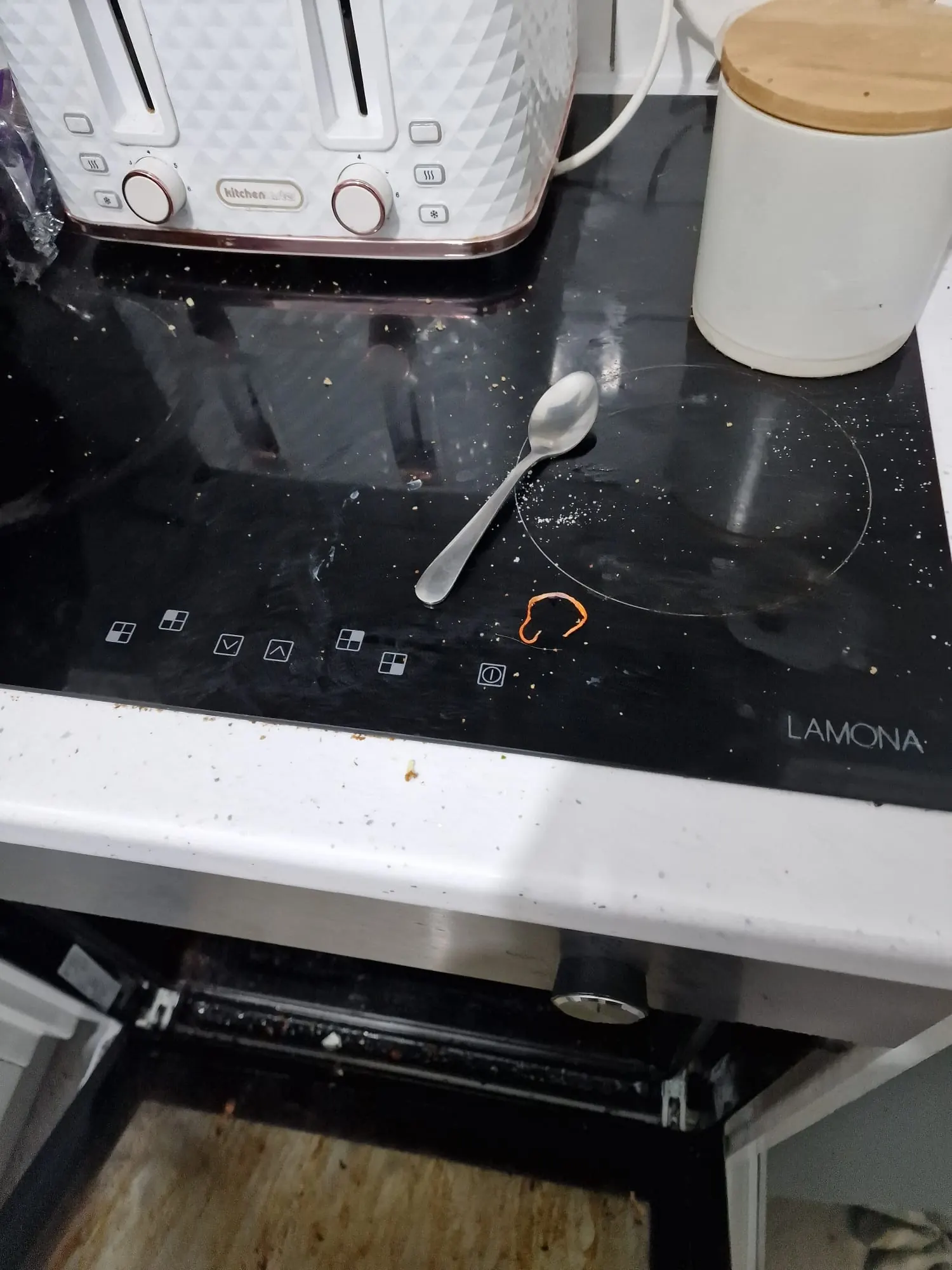
Extractor filters, oven glass, appliance seals, shower corners and cupboard interiors can be missed even when a property looks tidy at first glance. For Nottingham landlords and letting agents, checking these details helps identify the work needed before the next tenancy.
Cleaning accounted for roughly three in ten deposit claims in the DPS's 2025 figures, reported by Property Industry Eye in June 2026. Clear records help explain which areas need attention and what the work will cost.
The Bramcote example below shows how Re-Let combined a bathroom deep clean with minor maintenance. It is followed by a room-by-room checklist and practical guidance on recording cleaning issues fairly.
Before and after: restoring a student-let bathroom in Bramcote
After a year-long student tenancy, Re-Let was asked to restore a bathroom in Bramcote, Nottingham. The shower had a heavy build-up of grime and visible mould. Hair had accumulated across the bathroom floor and around the shower waste outlet, restricting drainage. The ceiling also needed repainting.
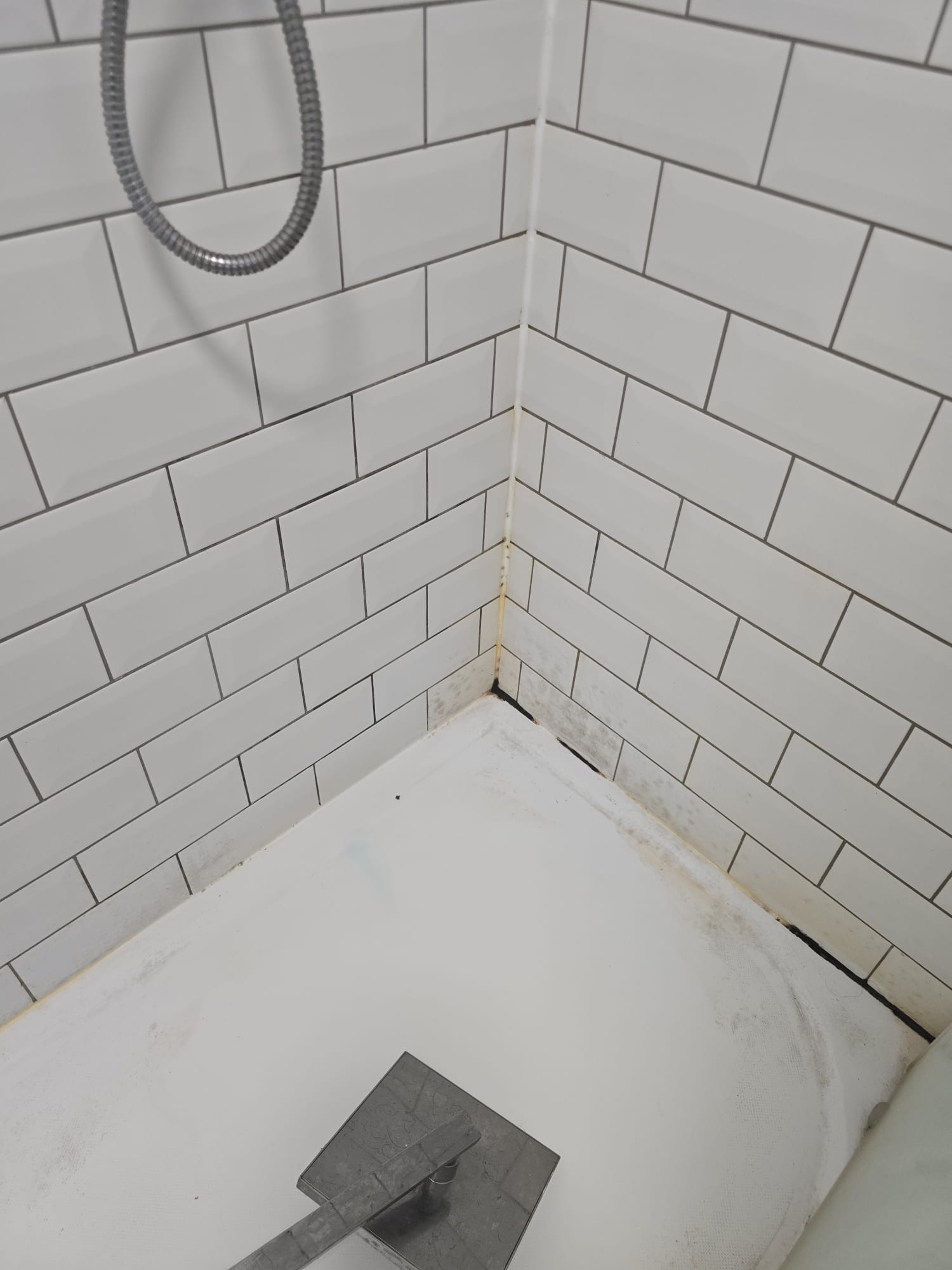
Before: the shower tray, lower tiles and corner sealant before Re-Let's work.
The work carried out
One cleaner handled the deep clean, a painter worked on the ceiling, and a handyman renewed the silicone in the shower corners. The work took approximately five hours overall and included:
- Thorough cleaning of the bathroom and shower, using specialist cleaning products to tackle grime and visible mould.
- Renewal of the silicone sealant in the shower corners.
- Repainting of the bathroom ceiling.
The aim was to restore the bathroom to the standard in which it had originally been provided. The clean improved the surfaces, while the fresh silicone and ceiling paint completed the work.
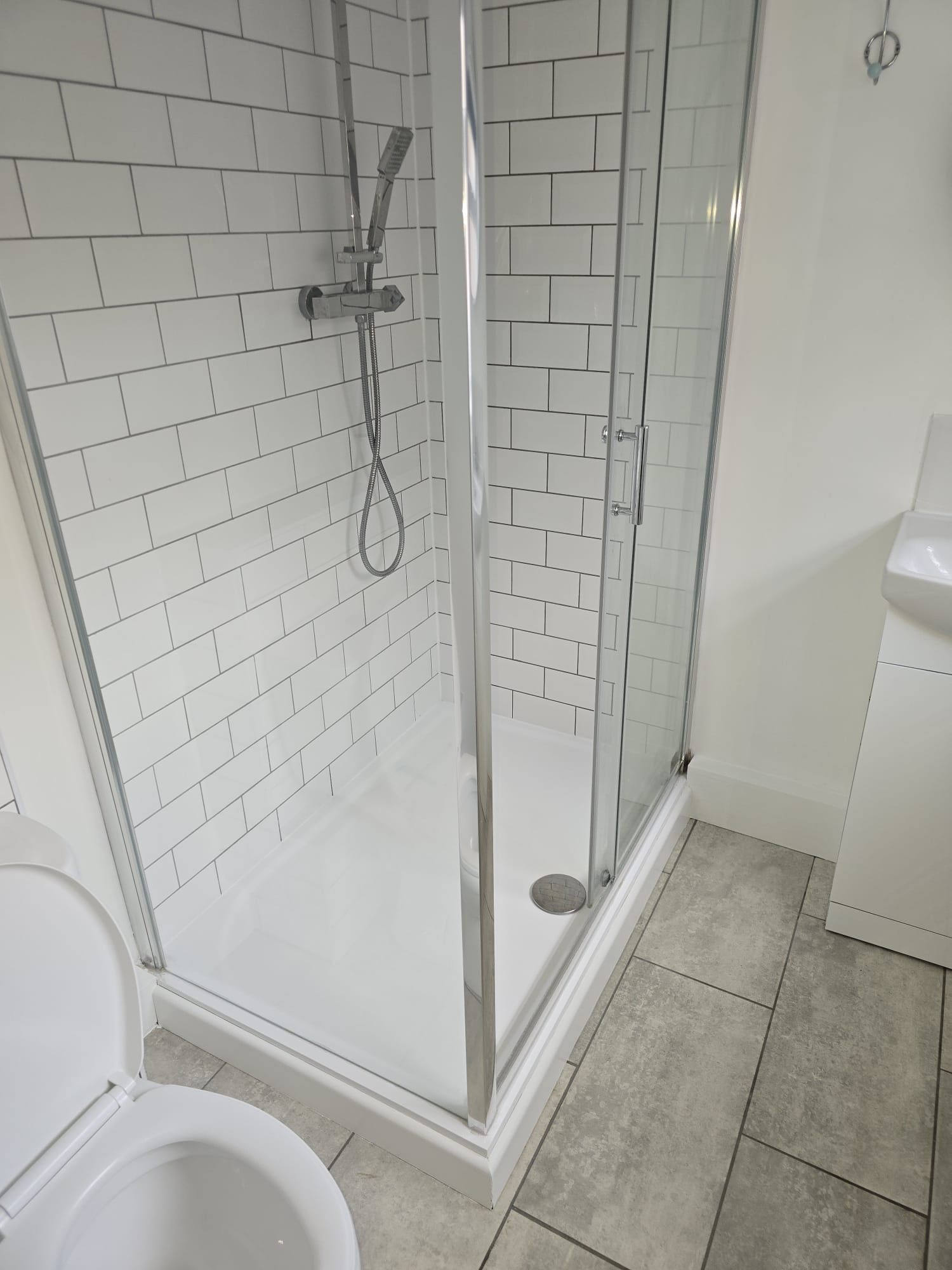
After: the existing shower following cleaning and resealing. The wider job also included repainting the bathroom ceiling.
The result and cost
The landlord had received a £375 quotation from another company. Re-Let completed the work for £300 including VAT, covering the bathroom deep clean, silicone resealing and ceiling repainting. The finished bathroom looked newly refurbished, using the existing shower and fittings. This price relates to this particular job and scope of work.
These photographs show the improvement achieved by the work. A deposit claim would also need evidence of the original check-in standard and responsibility for each cost. The £300 bill includes maintenance and painting, so it is not automatically a £300 cleaning deduction. mydeposits evidence guidance
For help with a similar property, request a quote for cleaning and repairs between tenancies.
What cleaning standard should a tenant meet?
The benchmark is the standard of cleanliness recorded at the start of the tenancy. Whether that was a domestic or professional standard, the tenant is responsible for returning the property to that cleaning standard. A professional cleaning receipt alone does not establish the final result.
Cleanliness and physical condition should be assessed separately. Fair wear and tear applies to condition, not cleanliness. Normal deterioration of an older carpet is different from dirt that can be removed by cleaning.
Any proposed deduction must reflect the cleaning actually needed. If only the oven and one bathroom need attention, a full-property cleaning charge may be excessive. For condition-related claims, allow for normal wear and avoid charging for an improvement over the original condition. mydeposits explains the distinction and proportionate deductions.
Room-by-room checklist: commonly missed cleaning areas
Use this checklist during check-out and when briefing a cleaner. Start with visible surfaces, then inspect edges, removable parts and storage interiors. Note any areas that cannot be reached safely, and leave fixed appliances or fittings in place unless appropriate access has been arranged.
Kitchen and appliances
- Extractor hood underside, grease filters and splashback edges.
- Oven shelves, internal surfaces and door glass; hob trims and burner surrounds.
- Fridge shelves, salad drawers and door seals; microwave interior.
- Washing machine detergent drawer and accessible dishwasher filters and seals.
- Cupboard interiors, the tops of wall units and under-sink storage.
- Behind and beside freestanding appliances where safely accessible.
Bathrooms and shower rooms
- Limescale around taps and shower heads, plus soap residue on screens and tiles.
- Shower corners, tray edges and accessible waste covers where hair collects.
- Toilet bases, rear edges and exposed pipework.
- Extractor fan covers, mirror edges and shelves.
- Inside vanity cupboards and other bathroom storage.
Record areas where cleaning may be insufficient, such as deteriorated silicone or damaged finishes. In the Bramcote job, renewing the corner seals was a separate maintenance task. Describing it separately made the scope of work clearer.
Living rooms, bedrooms and communal areas
- Skirting boards, door tops, frames and shelf edges.
- Window reveals and internal sills.
- Handles, light switches and socket fronts.
- Wardrobe shelves and drawer interiors.
- Stair spindles, bannisters and accessible utility cupboards.
Floors and carpets
- Debris in corners, along edges and beneath accessible furniture.
- Sticky residue or soiling on hard floors.
- Carpet soiling and individual stains, recorded by location.
Photograph marks before deciding which treatment is needed. A cleaner's assessment can help establish whether a mark is removable, while any permanent damage needs its own description.
Rubbish and leftover items
- Food left in cupboards, fridges or other appliances.
- Waste remaining in internal bins or around external bins.
- Bags, furniture and other items left in gardens, sheds or communal spaces.
Record leftover items and arrange appropriate clearance separately from cleaning. Re-Let handles clearance directly or uses a contractor depending on the load and type of waste.
How to record missed areas clearly
Step 1: Compare with the original inventory
Use the check-in inventory and photographs as the starting point. Keep cleanliness notes separate from descriptions of condition. Inspect promptly after move-out and record findings before cleaning, painting or other contractors' work changes the scene. mydeposits' inventory guide explains the value of a clear starting record and a comparable check-out report.
Step 2: Describe the specific issue
Useful notes identify the room, surface and problem:
- Kitchen: "Grease on the underside of the extractor and residue on the oven door glass."
- Bedroom two: "Dust on the skirting and inside the wardrobe shelf."
- Bathroom: "Limescale around the basin tap and hair around the shower waste cover."
- Outside: "Three rubbish bags beside the rear bins."
These examples give a cleaner a defined task and help the tenant understand what has been recorded. Avoid descriptions such as "property dirty" that leave the location and extent unclear.
Step 3: Take useful photographs
Capture a wider view to identify the room, followed by close-ups of the issue. Keep dated originals and label them by room or item. Where possible, use matching angles for comparison photographs. Keep check-in, check-out and post-work images clearly labelled so their different purposes are apparent.
Separate cleaning, damage and maintenance costs
A quotation or invoice should identify what was done and where. For a mixed job like the Bramcote bathroom, list the cleaning, silicone resealing and ceiling painting separately. A single description of "bathroom clean" would leave part of the work unexplained.
Keep the categories clear:
- Cleaning: removable grease, dirt or soap residue.
- Damage: a burn mark on a worktop or a broken fitting, assessed according to the evidence.
- Wear and tear: deterioration through ordinary use, such as age-related carpet flattening.
- Maintenance: work such as renewing deteriorated sealant, with responsibility assessed separately.
A contractor's bill supports the cost of the work. It also needs evidence connecting any proposed tenant charge to the issue and the tenant's responsibility. mydeposits recommends detailed cost evidence to help establish which costs belong to each party.
Share the check-out findings, relevant photographs and proposed amounts with the tenant. Give them an opportunity to respond and keep the discussion in writing. This makes it easier to identify exactly what remains disputed.
What happens if a deposit deduction is disputed?
Use the process for the scheme protecting the deposit. GOV.UK's deposit protection guidance explains that the deposit remains protected while a dispute is unresolved and must be returned within ten days once the amount to be returned has been agreed.
Check the relevant scheme and protection type promptly. For example, mydeposits publishes different deadlines:
- Insured protection: a tenant can raise a dispute within three calendar months of moving out or the deposit becoming unprotected, whichever happens sooner.
- Custodial protection: where agreement cannot be reached, its guidance allows resolution to be initiated within 90 days of the deposit release process being started.
Follow the applicable process and any steps required before submitting a dispute. These are scheme-specific deadlines. See the mydeposits insured and custodial instructions.
Plan cleaning alongside the other turnaround work
At the first inspection, identify cleaning, repairs, clearance and decorating together. Agree their order so completed cleaning is not spoiled by later dusty work or painting. Keep the scope of each task clear, even where one company coordinates the job.
Re-Let's end-of-tenancy cleaning, landlord repairs and void-property turnaround services can form part of that plan. For a broader checklist, read The Complete Void Property Turnaround Checklist for Nottingham Landlords.
Get a quote for cleaning and repairs between tenancies
Re-Let helps landlords and letting agents in Nottingham and within a 10-mile radius prepare properties for their next tenants.
Tell us the property's location, which rooms need attention, any repairs or repainting required, and when you need the work completed. That helps us understand the scope of the job from the start.
Request a quote for end-of-tenancy cleaning and repairs.
Need help with a Nottingham rental property?
Tell us what needs attention and we’ll help define the practical next step.
Request a property quote