Void-property cleaning is one stage of preparing an empty rental property for its next tenancy. Re-Let supports Nottingham landlords and letting agents with an agreed room-by-room cleaning scope, coordinated around authorised clearance, repairs and the next property milestone.
For the overall cleaning service, see end-of-tenancy cleaning in Nottingham. Where the property needs combined maintenance work, use our void-property turnaround service.
Plan the sequence before the final clean
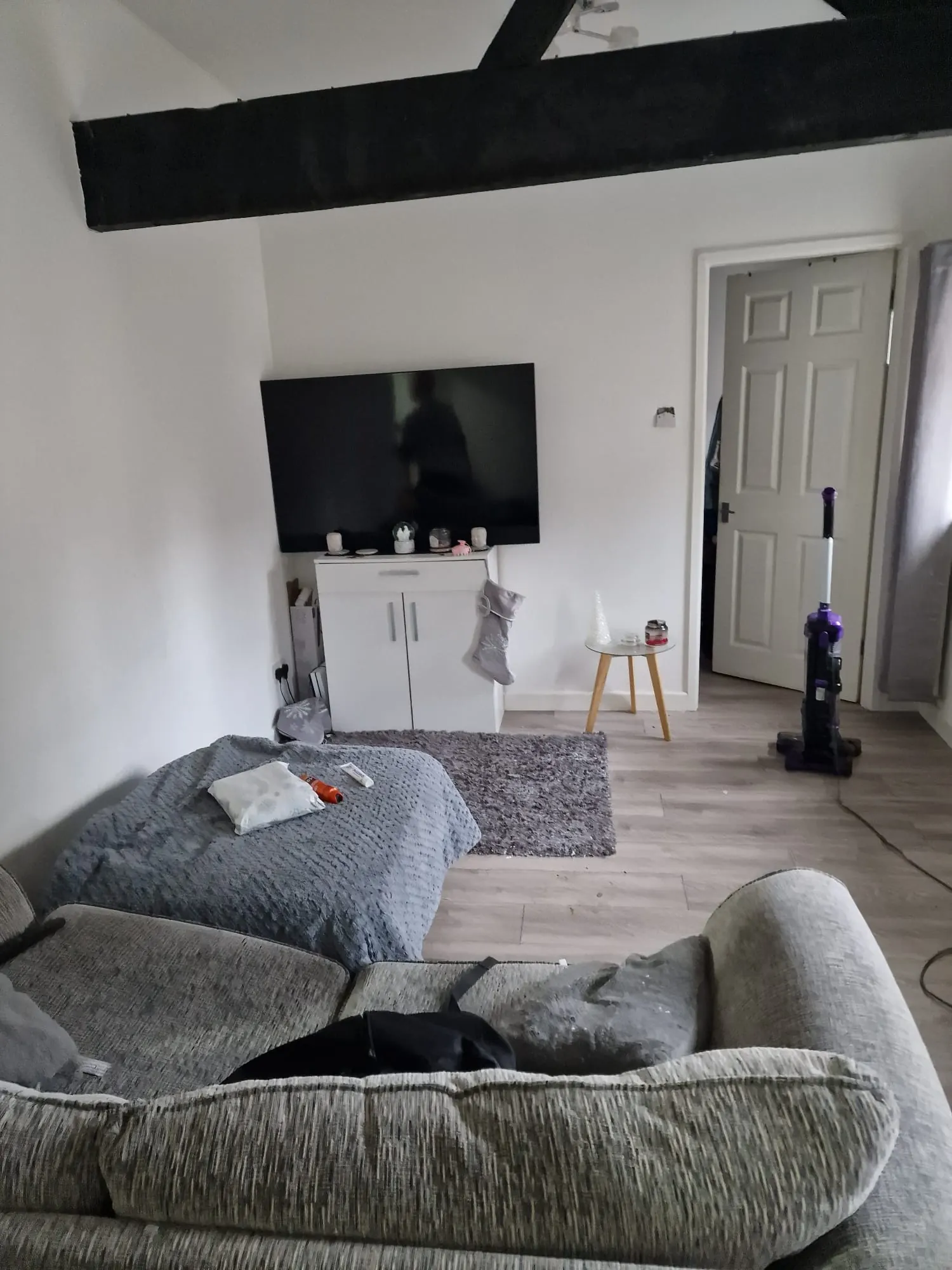
- Record the initial condition. Capture dated room views, specific defects, contents and waste before anything is moved.
- Review the check-out information. Keep the condition assessment separate from the cleaning instruction.
- Obtain authority for left goods. Confirm what must remain, be stored or be removed.
- Complete authorised clearance. Use an appropriate waste route and retain available records.
- Carry out disruptive work. Complete dusty repairs, preparation and decorating before the detailed clean where practicable.
- Allow wet work to dry. Paint, sealant, grout and other materials may need suitable curing or drying time.
- Complete the agreed clean. Follow the room and item specification rather than relying on a general description.
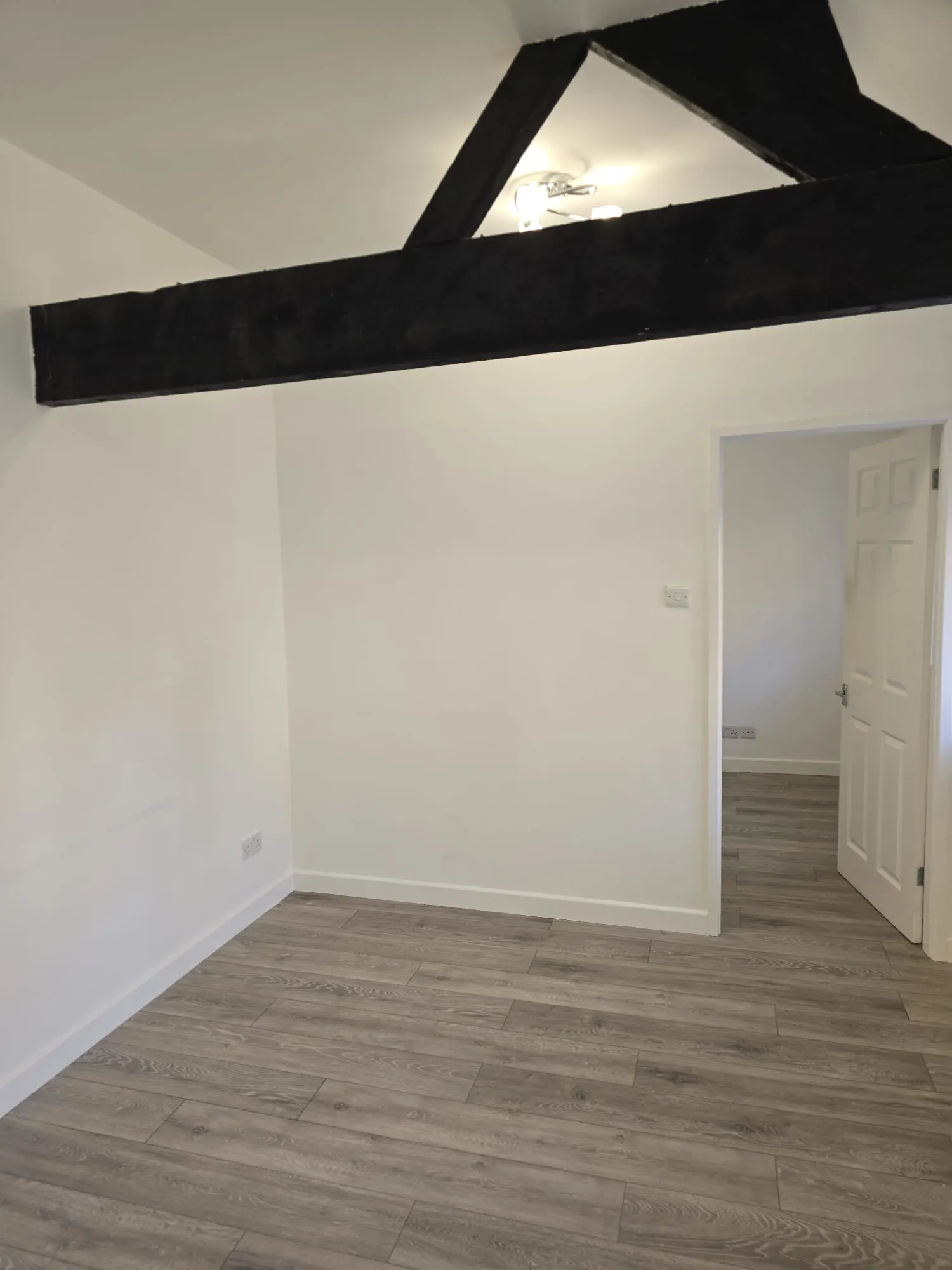
- Inspect and document completion. Photograph agreed areas and record defects or inaccessible items that remain unresolved.
The exact sequence may change where access, drying time or specialist work creates dependencies. For a wider planning framework, see the Nottingham void-property turnaround checklist.
Information needed for a useful quotation
Providing clear information at the outset reduces assumptions and helps distinguish cleaning from clearance or repair work.
Send:
- the full property postcode;
- property type, approximate size and number of rooms;
- current photographs and the relevant check-out report, if available;
- confirmation that the tenancy has ended and access is authorised;
- whether the property is empty and cleared;
- details of furniture, belongings or waste left behind;
- a list of appliances and the parts requiring cleaning;
- details of carpets, windows or external areas to be considered;
- known damage, damp, mould, pests, sharps or other hazards;
- key collection, parking and access arrangements;
- whether water and electricity are available;
- the required completion date; and
- the next milestone, such as inspection, photography or move-in.
A completion date should be agreed only after the condition, scope, access and dependencies have been reviewed. The completion record should distinguish finished cleaning from any outstanding clearance, essential repairs or specialist work. Do not describe the whole property as ready for its next stage while those dependencies remain unresolved.
Use the end-of-tenancy cleaning checklist to prepare the room-by-room brief, or download the separate checklist. List appliance interiors separately using our kitchen and appliance cleaning guide.
Cleaning records and deposit decisions
Condition records can help distinguish dirt from wear or damage, but a professional-cleaning invoice does not by itself establish that a former tenant must pay.
Useful records may include:
- the signed check-in inventory and photographs;
- check-out photographs and inspection notes;
- written cleaning and clearance instructions;
- the agreed room-by-room specification;
- invoices and available waste records;
- completion photographs; and
- a list of defects referred for repair or replacement.
The Deposit Protection Service reported on 11 June 2026 that cleaning represented about 29% of deposit claims recorded in 2025. It also reported that fewer than 5% of all deposits it protects end in a dispute. Its report on cleaning and deposit claims supports the value of clear evidence, but it does not mean every cleaning cost is recoverable from a tenant.
Responsibility should be assessed against the tenancy evidence and circumstances, including the starting condition and reasonable wear and tear. Cleaning costs, deposit deductions and losses arising from a delayed re-let are separate questions.
For more on evidence and commonly missed areas, read our cleaning and deposit-dispute guide.
Nottingham waste and property considerations
Household waste services may not accept landlord clearance waste
Nottingham City Council says its Redfield Road recycling centre does not accept waste from properties owned but not occupied by a landlord because it is regarded as trade waste. The council's bulky-waste service also excludes businesses, organisations and house-clearance waste.
Landlords and agents should therefore confirm the disposal route rather than assuming that void contents can be taken to a household recycling centre or collected through a domestic bulky-waste service.
HMO and licensing requirements vary by property
For HMOs, check the management duties and licence conditions that apply to the particular property, including arrangements for shared facilities and refuse. The precise responsibilities depend on the property and circumstances.
Nottingham operates mandatory, additional and selective licensing schemes. Applicability should be checked using the property's address and characteristics through the council's landlord licensing information. A cleaning instruction does not replace licensing, repair or safety responsibilities.
An example of cleaning within a wider void process
Re-Let's published Main Street clearance and deep-clean case study records a sequence involving post-tenancy photographs, left items, clearance and cleaning of kitchen, appliance, floor, bathroom and sink areas.
The example is useful because it keeps cleaning separate from decisions about repair or replacement. That distinction should be preserved in every specification: clean what can appropriately be cleaned, document the result and refer defects that need another remedy.
Request a void-cleaning quotation
Re-Let describes its coverage as Nottingham and selected nearby areas, with travel and scheduling checked from the full postcode. Cleaning coverage and availability are confirmed from the property postcode before booking; do not assume that acceptance of another type of job confirms a cleaning booking.
Check the published areas covered, then contact Re-Let with the postcode, access details, proposed scope and required property milestone. Send photographs separately on WhatsApp at 07971 241120, including your name and property postcode.
See our service menu and guide prices for starting void-package allowances. The written quote confirms the actual cleaning, clearance and repair scope. Branch teams can also review cleaning for landlords and letting agents.